

If you’re a small business owner, navigating the digital landscape can feel overwhelming. With so many platforms, tools, and strategies available, it’s easy to feel lost. But the truth is, having a clear digital strategy for small businesses is no longer optional—it’s essential for growth, visibility, and customer engagement. This guide will walk you through everything you need to know: what a digital strategy is, why it matters, the steps to build one, its benefits, and even its potential drawbacks.
What Is a Digital Strategy for Small Businesses?
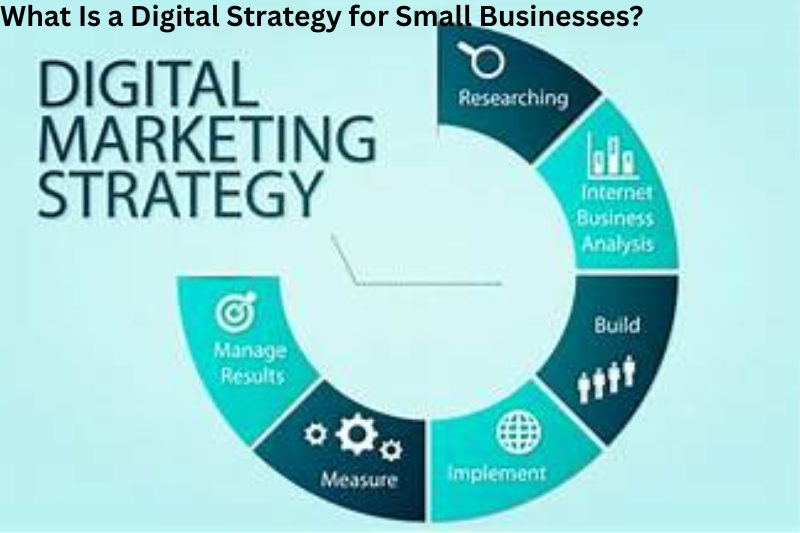
A digital strategy for small businesses is a structured plan for using digital channels—such as websites, social media, email, and online advertising—to reach your target audience, build your brand, and achieve business goals. It’s more than just creating a website or posting randomly on social media.
A strong digital strategy answers key questions:
- Who are my ideal customers online?
- Where do they spend their time?
- How can I reach and engage with them effectively?
- Which tools, platforms, and content will help me grow my business?
Think of it as a roadmap that ensures every digital effort contributes to your overall business objectives.
Why Your Small Business Needs a Digital Strategy
Many small businesses underestimate the power of a structured digital approach, but the benefits are substantial:
- Increased Visibility: Most consumers research online before making a purchase. Without a digital strategy, your business could be invisible to potential customers.
- Brand Credibility: A consistent online presence builds trust and positions your business as professional and reliable.
- Competitive Advantage: Even local competitors are leveraging digital tools. A strategy ensures you remain competitive in your market.
- Cost-Effective Marketing: Compared to traditional advertising, digital marketing is often more affordable and measurable.
- Measurable Results: Digital channels provide analytics and insights that show exactly what’s working and what isn’t, allowing you to refine your approach.
Steps to Create a Digital Strategy for Small Businesses
Creating a digital strategy doesn’t have to be complicated. Follow these steps to build a plan that works for your business:
1. Define Clear Goals
Before doing anything else, ask yourself what you want to achieve online. Examples of goals include:
- Increasing website traffic
- Growing social media followers
- Generating leads or sales
- Building brand awareness
Having clear goals helps you make decisions about which platforms and tactics to prioritize.
2. Understand Your Audience
Knowing your target audience is critical. Identify:
- Age, gender, and location
- Interests and hobbies
- Online behavior and preferred platforms
- Pain points your business can solve
This ensures your messaging and content resonate with the people most likely to buy from you.
3. Select the Right Platforms
Not every platform is suitable for every business. Choose the ones where your audience spends the most time. For example:
- Instagram and TikTok for visually appealing products
- LinkedIn for B2B services
- Facebook for local businesses and community engagement
- Google for search-based marketing
4. Develop High-Quality Content
Content is at the heart of any digital strategy. Focus on creating content that educates, entertains, or solves your audience’s problems. Examples include:
- Blog posts or articles
- Social media posts and videos
- How-to guides or tutorials
- Customer success stories
5. Optimize Your Website
Your website is your digital storefront. Ensure it is:
- Mobile-friendly and fast-loading
- Easy to navigate
- Equipped with clear calls-to-action
- Optimized for search engines (SEO)
6. Implement Email Marketing
Email marketing remains one of the most effective ways to stay in touch with your audience. Send newsletters, promotions, or helpful tips to nurture relationships and encourage repeat business.
7. Track, Analyze, and Adjust
Digital strategy is not static. Use analytics tools to monitor:
- Website traffic
- Social media engagement
- Conversion rates
- ROI from paid campaigns
This data allows you to refine your strategy and focus on tactics that deliver results.
Benefits of a Digital Strategy for Small Businesses
Having a digital strategy for small businesses offers numerous advantages:
- Improved Targeting: Reach the right audience at the right time.
- Cost Efficiency: Avoid wasting money on ineffective marketing tactics.
- Better Customer Engagement: Build long-term relationships through consistent online interaction.
- Scalability: Digital marketing efforts can grow as your business grows.
- Competitive Edge: Stay ahead of competitors who lack a structured approach.
Drawbacks to Consider
While digital strategies offer many benefits, it’s important to be aware of potential challenges:
- Time-Consuming: Planning and executing a strategy requires consistent effort and monitoring.
- Steep Learning Curve: Some digital tools and analytics platforms can be complex for beginners.
- Constant Change: Digital trends and algorithms change frequently, requiring adaptation.
- Upfront Investment: Even small-scale digital marketing may require investment in ads, tools, or professional help.
Despite these challenges, the advantages of a well-structured digital strategy far outweigh the drawbacks.
You may also like to read these posts:
Affordable AI Solutions Online
Beginner Friendly AI Solutions
Tips for Making Your Digital Strategy Effective
- Start small and focus on one or two platforms initially.
- Maintain consistency in posting and engagement.
- Prioritize quality over quantity in your content.
- Respond promptly to customer messages and comments.
- Test paid advertising cautiously and track ROI closely.
Conclusion
A digital strategy for small businesses is essential for growth, visibility, and long-term success. It provides a roadmap to reach your audience effectively, build your brand, and make informed business decisions. While it requires time and effort, the benefits—such as increased sales, better engagement, and measurable results—make it a worthwhile investment.
By defining goals, understanding your audience, choosing the right platforms, creating valuable content, optimizing your website, and analyzing results, even small businesses can compete in the digital space and thrive.
A thoughtful digital strategy doesn’t just help you survive—it helps your business grow smarter, faster, and more efficiently.
FAQs: Digital Strategy for Small Businesses
It depends on your audience and business type:
- Instagram and TikTok for visually engaging products
- LinkedIn for B2B services
- Facebook for local and community-based businesses
- Google Search and Maps for local discovery
5. How much does a digital strategy cost for small businesses?
Costs vary depending on your goals, tools, and advertising. You can start with free tools like social media and Google My Business, then gradually invest in paid ads, email software, or professional services as your business grows.
1. What is a digital strategy for small businesses?
A digital strategy for small businesses is a structured plan to use online channels—like websites, social media, email, and digital advertising—to reach your audience, build your brand, and grow your business. It’s about working smarter online, not just posting randomly.
2. Why does my small business need a digital strategy?
Without a digital strategy, your business risks being invisible to potential customers. A strategy helps you reach the right audience, build credibility, save marketing costs, and measure results effectively.
3. How do I start creating a digital strategy?
Start by defining your business goals, understanding your target audience, choosing the right digital platforms, creating valuable content, and tracking your results. Begin small and expand as you gain confidence.
4. Which platforms should small businesses focus on?
It depends on your audience and business type:
Instagram and TikTok for visually engaging products
LinkedIn for B2B services
Facebook for local and community-based businesses
Google Search and Maps for local discovery
5. How much does a digital strategy cost for small businesses?
Costs vary depending on your goals, tools, and advertising. You can start with free tools like social media and Google My Business, then gradually invest in paid ads, email software, or professional services as your business grows.


